
They used to be independent, you know,
free from the self-seeking and manipulative,
blood-stained hands of the men,
(This poem is not about pigeons.)
hands that violated
their shimmering plumage
with the express purpose
of teaching them to serve,
(This poem is not about pigeons.)
to be consumed,
to represent something Holy,
perhaps as pets – we don’t remember
the men’s intentions with them anymore,
for the history has been lost
to the unforgiving folds of time;
(This poem is not about pigeons.)
all we know now
is that they were domesticated
beyond their own capability
of recognizing themselves
in mirrors or in their own reflections
gazing up at them in sidewalk puddles
after the rain
(This poem is not about pigeons.)
and the men will tell you
that they’re classified as an invasive species,
but really, if you think about it,
they’re just trying to pick up the pieces
in the wake of unspeakable violence,
of being used and discarded, I mean,
have you ever seen one of their nests
or the way they conduct themselves,
lost now without the guidance
of the men who bred them to be helpless
(This poem is not about pigeons.)
and now, of course, have no use for them
or their neediness or their baggage
or their suffocating abandonment issues,
(This poem is not about pigeons.)
how typical, how typical,
how the men avoid them on the street,
how they shoo them away,
how they laugh at their expense.
This poem is not about pigeons.
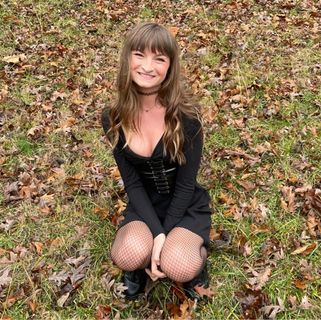
Madeira Miller is a writer and poet who holds a B.S. in creative writing from Missouri State University. Her work has been published in various anthologies, magazines, and literary journals, including ANGLES, Arkana, Barely South Review, and Clockhouse. She can be found online on Instagram at @madeiramiller.
Image: “A photograph of a pigeon” by Kaleb

 Pine Hills Review