We weren’t there to shop. Not really. We went for the freedom, the fluorescent lights, the chance to exist away from parents and teachers and anyone who expected us to be anything other than what we were: bored, hopeful, half-formed. The mall was our sanctuary. We wandered it like a parish. Claire’s for pierced ears and plastic bracelets. Spencer’s for forbidden curiosities. The food court for greasy fries and sticky soda lids. Security guards gave us side-eyes, but we weren’t doing anything wrong. Just loitering. Just learning. Just trying on versions of ourselves to see what fit.
It was 1994, maybe 1995. My friends and I wore lip gloss too thick and jeans too tight. We walked in loose clumps, arms looped, laughing too loudly at nothing at all. We were thirteen, fourteen, old enough to be left alone but not old enough to go far. The mall was the middle ground. A place our parents trusted. It was clean. Lit. Familiar. We didn’t tell them about the stolen glances at older boys or the hours we spent trying on prom dresses we wouldn’t need for years.
Everything we needed was there. It had a soundtrack, piped-in pop songs echoing off linoleum, and it had structure. Escalators, maps, food court trays. There were rules we didn’t always follow, but that gave the place a strange kind of order. It wasn’t home, and it wasn’t school, and that was the point. It was something else: a place where we belonged just because we showed up.
And we showed up without phones. There was no texting your friends to say, “I’m by the fountain.” No checking where someone was through a location pin or sending selfies from the dressing room. If you said you’d meet by the movie theater at two, you got there at two or you missed it. We wandered without distractions, without a camera lens framing every moment, without the pull to document instead of live. The mall was the plan, and presence was the only requirement.
In the mall, time bent. Hours disappeared between browsing Sam Goody’s CD racks and comparing body mists at Bath & Body Works. We’d sit cross-legged in the middle of Borders, thumbing through glossy magazines we couldn’t afford. Our shoes squeaked against the tile as we wandered. Our pockets were light, but our minds were full.
I got my first job in that same mall a few years later. A retail kiosk selling calendars. I stood for hours beneath a flickering light, ringing up dog calendars and wall planners, learning how to fake a smile. I learned how to fold T-shirts quickly and how to handle customers who were rude just because they could be. I cashed my first real paycheck in the bank downstairs, feeling important.
That job taught me more than school ever could. How to be still. How to be patient. How to stay pleasant even when my feet ached and the air smelled faintly of stale Auntie Anne’s pretzels. After my shift, I’d find a table in the food court and sit with friends from other stores. We shared fries and stories and plans for after close. Movies, late-night diners, rides home in cars that smelled like cigarette smoke and spilled soda.
We learned to read people. To flirt with eye contact from across the atrium. To identify mall walkers from shoplifters, window shoppers from real ones. I watched relationships spark and unravel between the storefronts. Friends broke up in the parking lot, got back together near the pretzel stand. There was drama, always, but there was space for it. A kind of low-stakes stage where we practiced being human.
We called ourselves mallrats, but we didn’t know what a privilege that was. We thought everyone had a place like this. A place where you could go for nothing and come home changed. Where you could wander without buying, sit without a timer, linger without being watched too closely.
Now, I drive past that mall sometimes and barely recognize it. The lights are still on, but half the storefronts are empty. The bookstore is gone. The fountain is drained. The arcade where I once kissed a boy with braces is boarded up. There are still shoppers, but they move quickly, transactionally. No one is loitering. No one is laughing too loud.
I walked through it not long ago, just to see. It felt like a dream of itself, all the shapes intact but hollow. The same skylight. The same tile. The same looping instrumental music. But missing the hum of teenage energy. The place was clean but faded, like a Polaroid left too long in the sun.
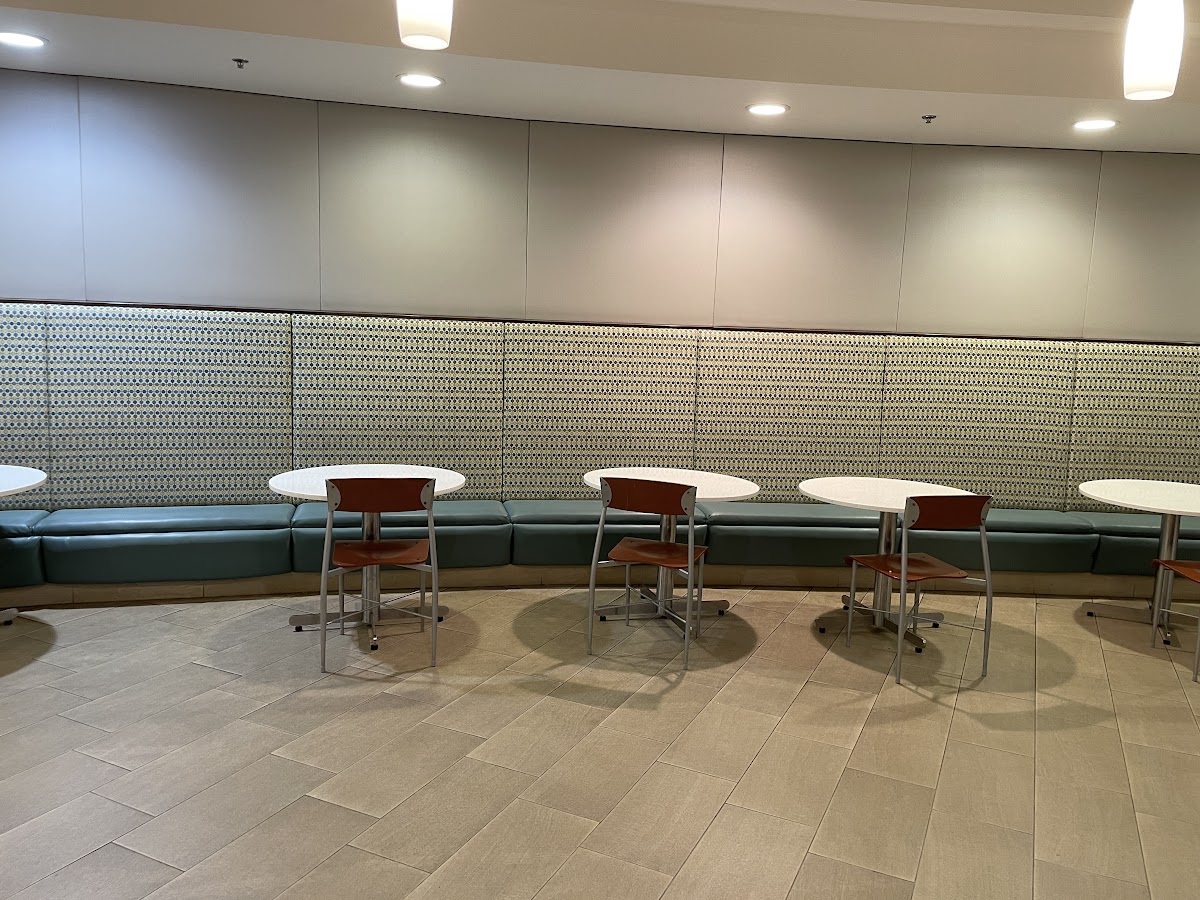
Even the food court was quiet. A few tired outlets remained, Subway, a sad pizza place, one boba tea counter trying its best. I stood near where the old Chinese place used to be, where I once sat with a boy and shared a plate of lo mein, believing for a moment that everything in life might just work out.
And maybe it’s just time. Things change. Malls were always about selling, after all. But it’s not just the stores that closed. It’s the idea of public space that didn’t demand anything of you. No purchases. No likes. No algorithm. Just space to be, to meet, to figure yourself out in real time.
We’ve replaced those spaces with digital ones. Social media. Snapchat. TikTok. You don’t need a ride to meet up anymore. You can FaceTime a friend from your bedroom or watch strangers dance from across the globe. Connection is instantaneous. But it’s curated. Performative. You don’t trip over a friend unexpectedly on Instagram. You don’t get fries with that.
Now kids find their third places online. Discord servers. Group chats. Anonymous comment threads. There’s something dazzling about the reach of that, but also something hollow. It’s hard to be yourself when every part of you is archived, filtered, scrolled past. The digital world makes it easy to share, but harder to stumble into something unplanned.
The mall gave us more than we realized. A third place, in the sociological sense. Not home. Not work or school. A space for casual community. And yes, it was commercialized. Yes, it was noisy and bright and deeply imperfect. But it was ours. We were allowed to be aimless. We were allowed to be half-baked. And in being allowed that, we grew.
I worry sometimes that my kids won’t have that. That their social spaces will always be filtered. That their adolescence will live in cloud storage instead of in their bodies. That they’ll learn to crop out their awkwardness before it teaches them anything.
Because there’s something about standing in line for a movie with your friends, whispering about who might sit next to whom, the smell of popcorn in the air. Something about trying on a prom dress you’ll never buy, just to see yourself in it. Something about seeing the same kid at the food court every Saturday until one day, you say hello.
We didn’t think we were making memories. We thought we were killing time.
But the mall baptized us. Not in water, but in presence. In proximity. In the slow, fluorescent unraveling of adolescence.
Even now, when I pass by, part of me still looks for myself in those sliding doors. Not to relive it. Just to nod at the girl I was. To thank her for showing up. To remind myself what it felt like to belong in a place built for wandering.
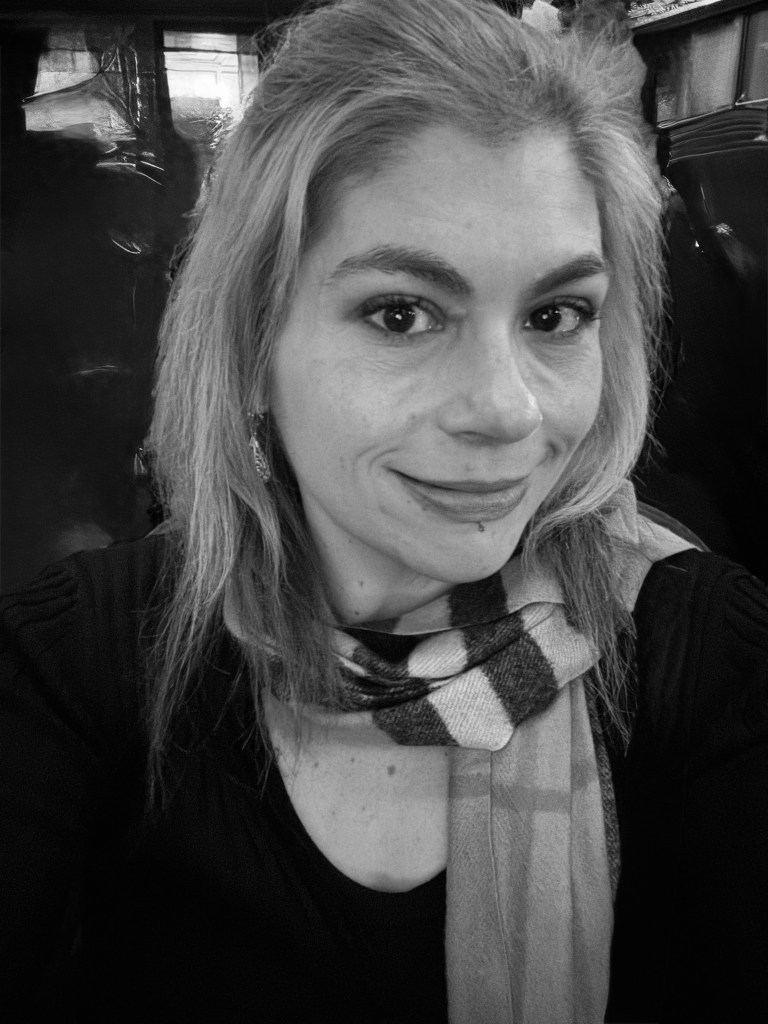
Veronica Tucker is an emergency medicine and addiction medicine physician, married mom of three, and lifelong New Englander. When not writing or taking care of patients, Veronica enjoys running, traveling, time with family, and finely crafted matcha lattes. Her recent work appears in redrosethorns, Medmic, and Creatrix by WA Poets Inc., with additional works forthcoming.
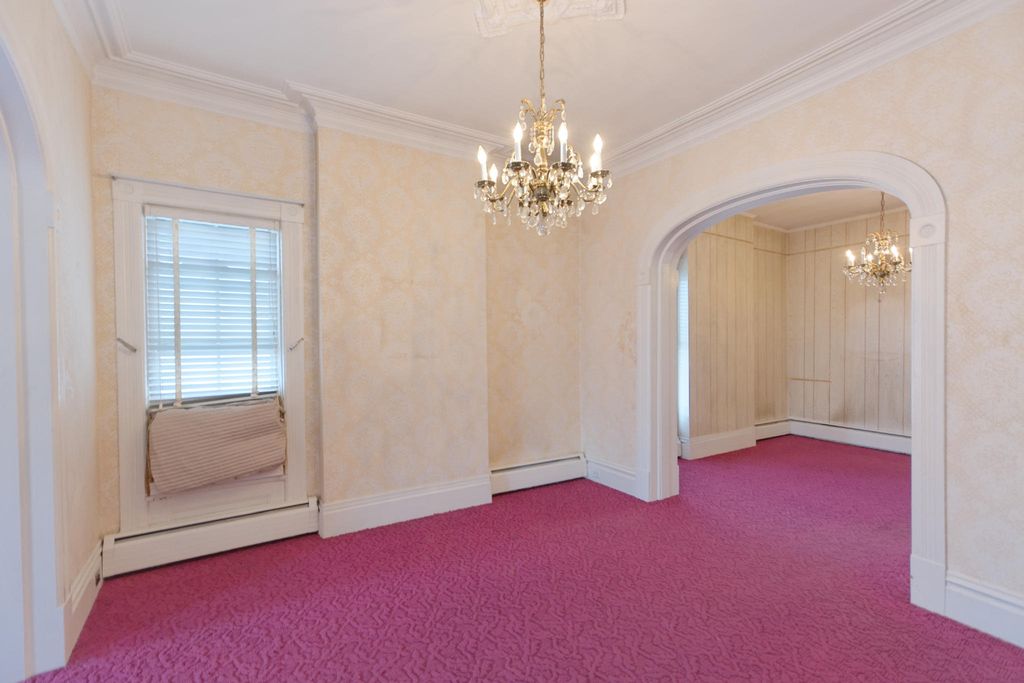
Image: “Interregnum, Colonie Center” by Daniel Nester

 Pine Hills Review