
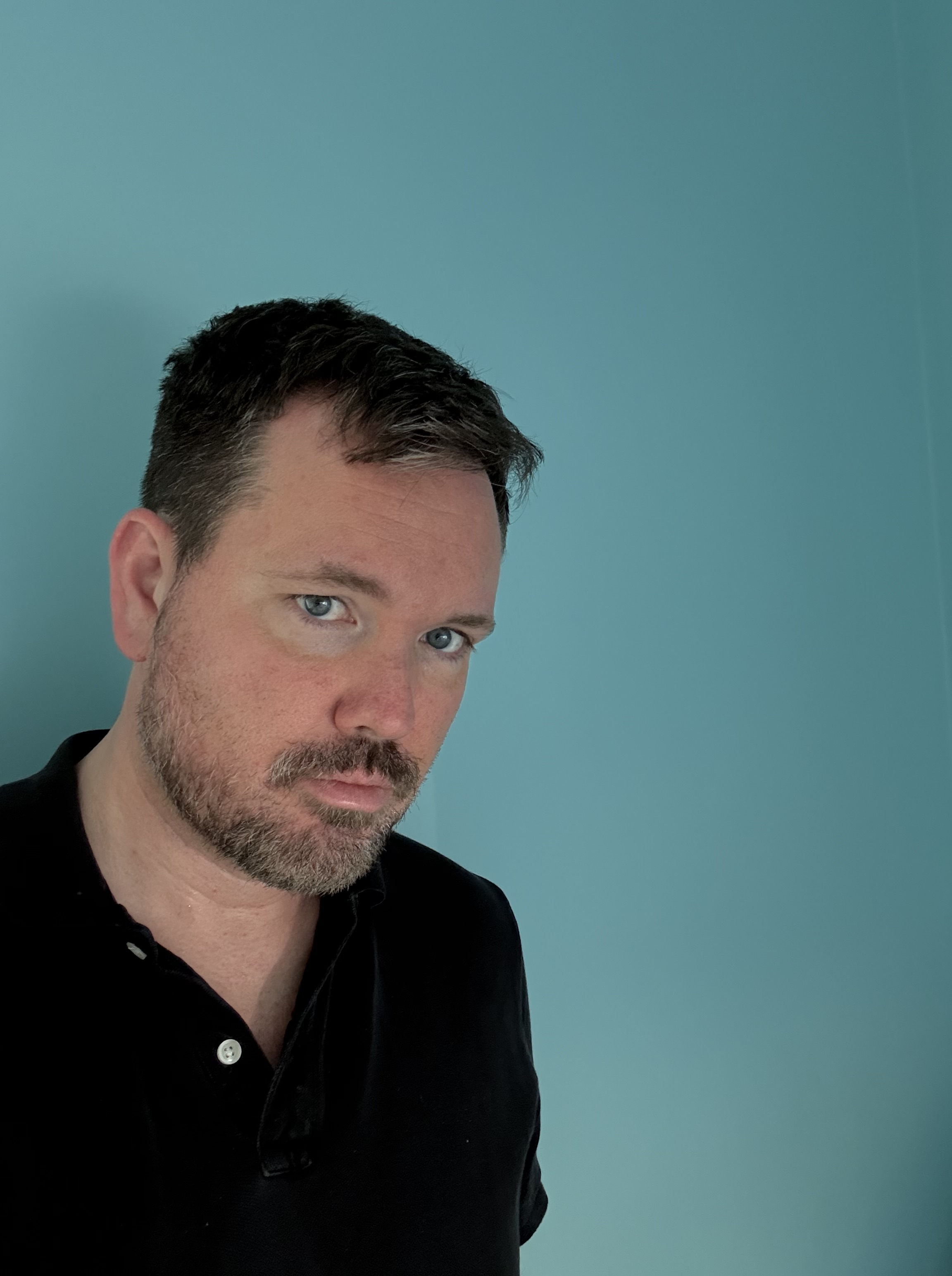
Jeffery Berg’s Re-Animator (from Indolent Books) is not about the eponymous film that inspired the collection’s name, at least not solely. The movie is one of many reference points in a collection of poetry awash in the American 1980’s, not just the years but also the cultural concept. Jeffery Berg presents the decade through a collage of images and re-enacted scenes.
Disco is demolished and camp counselors are slashed. Villains of the time—Jason Voorhees, Freddy Kruger, Antonin Scalia, and Ronald Reagan—haunt the page. But you’re also gliding through the roller rink as “Express Yourself” plays or deep into DJ Roy Thode’s set at the Ice Palace.
Throughout the poems, I asked myself what it means to bring things back. What are we bringing back? When and why do we do it? Sometimes, it’s soft nostalgic memories and sometimes it returns Pet Sematary-style. “There are some pieces of days you can never get out of,” Berg writes. Is it a lament, a warning or both? In this hazy consumption of celluloid and plastic, he tries to capture humanity: people, the virtue and the body’s form—his own or another’s. Here’s life: the flesh animated and the act of living.
Jeffery’s poems have appeared in various journals, most recently in Same Faces Collective. He lives between Jersey City and Provincetown and reviews films for Film-Forward. One of the poems in the collection, “Terms of Endearment” was published a few years ago in this very journal.
I interviewed him about the writing choices he made throughout the collection, chatted about our shared love of pop culture, discussed both persona poems and slasher films.
One of the reasons I was excited to interview you about your collection, outside us being friends and having published your writing, was that we have a shared appreciation for pop culture. While my interest is often breaking down works to see how they work or what their appeal is, I think that you often use pop culture as a palette and have such a curatorial eye for images and imagery. Why does pop culture appear consistently throughout your work, and how did that come to be?
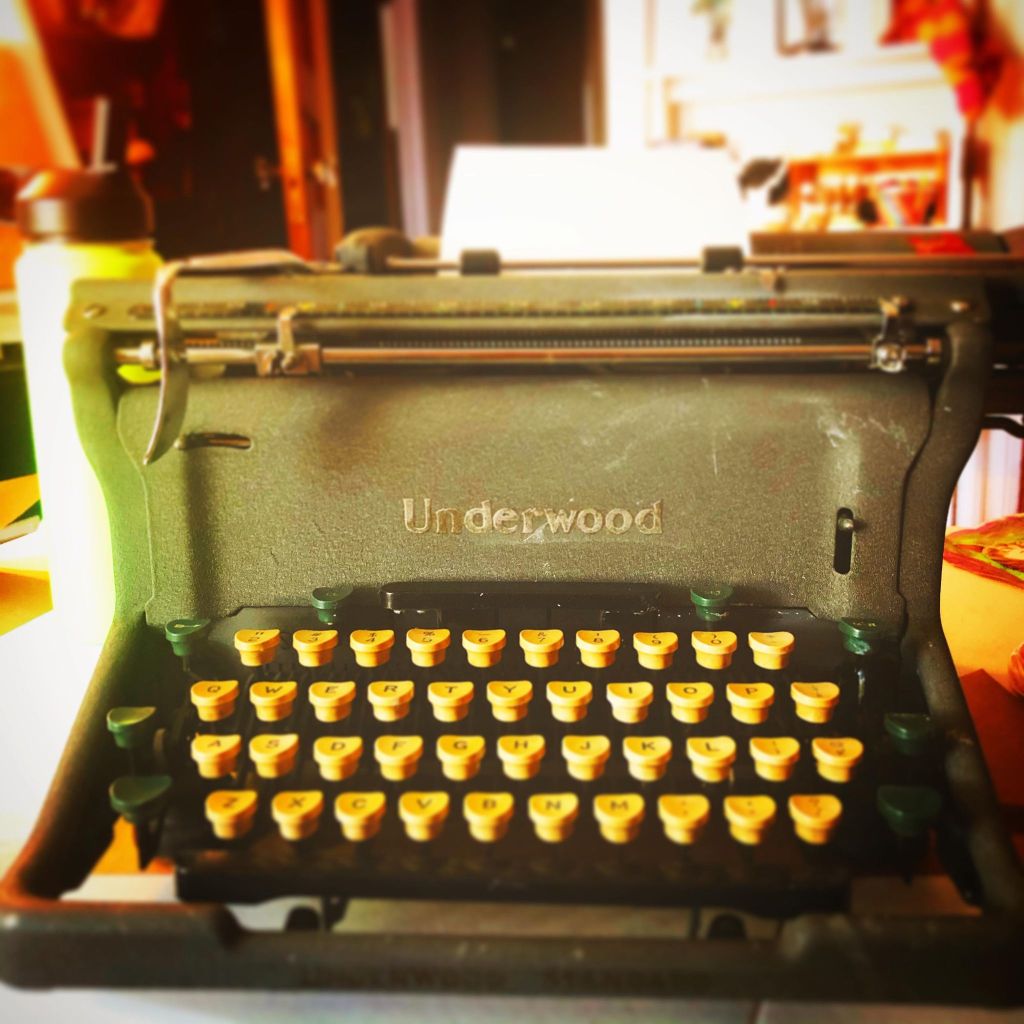
I was born in 1980, and I’ve always been fascinated by how things change throughout the years and decades, particularly the late-20th century in America. As a child, I used to type out years on a typewriter just to look at the way they look on a page, and would read Billboard chart books and Leonard Maltin’s Movie Guide, absorbing when films and songs came out. While I was consuming some 80s culture as a kid, I was also looking back at the 1950s, the Universal monster movies, Hitchcock films, and what was then called “oldies radio.” I had no friends who were into those things at the time.
Popular culture is so pervasive in my life that I think it would be difficult to remove it completely from my work. It was something I incorporated in my writing early on. I am also drawn to details and specificity in writing in general. It’s difficult to be specific without noting time, place, colors, brands, art, figures. And there can also be music in those things too.
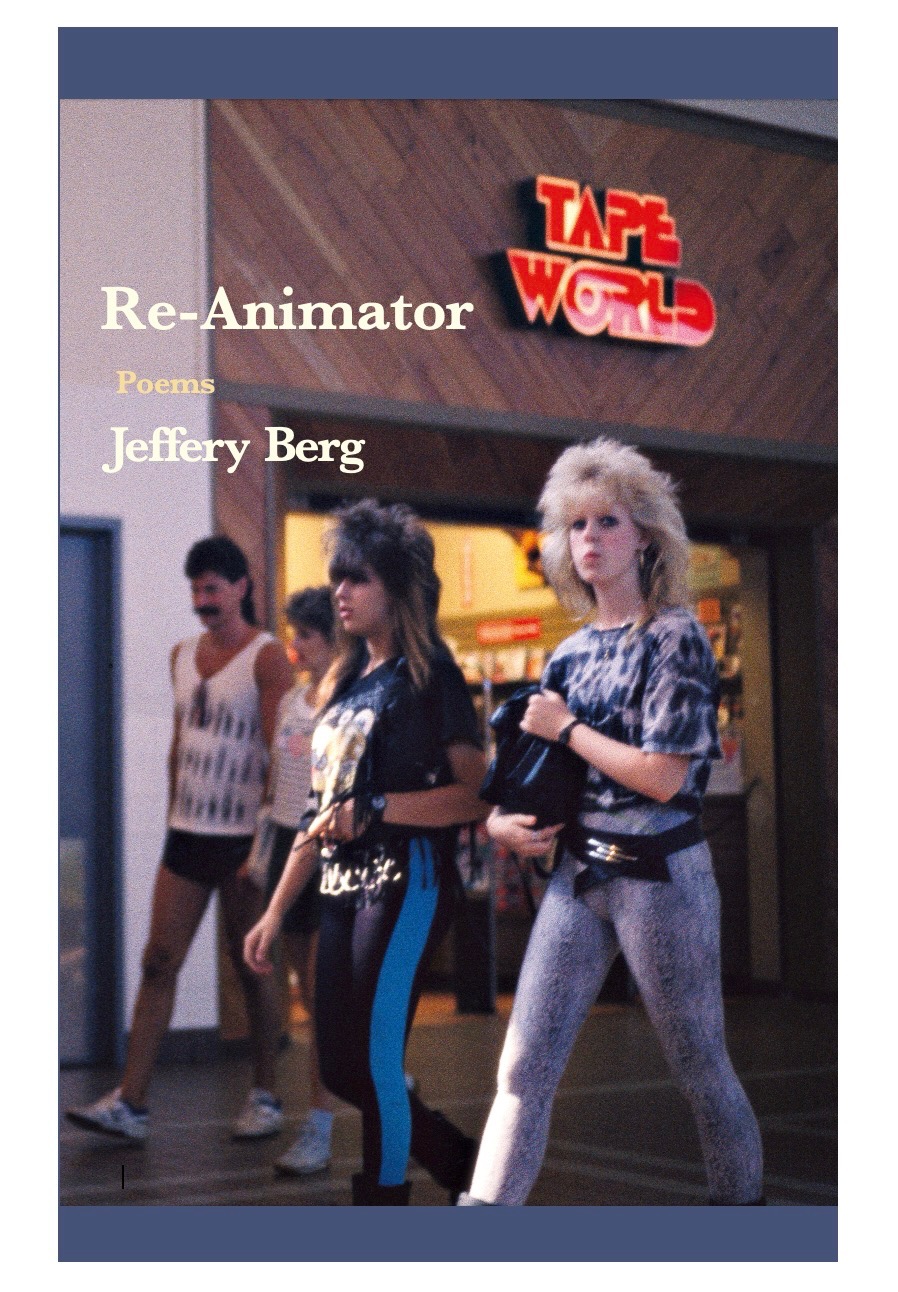
Speaking of having a curatorial eye, I feel like it would be remiss if I didn’t bring up the cover of the collection. It is from a collection of photographs by Michael Galinksy, aptly titled Malls of America. Why this specific photo, and what was the process of getting permission to use it as a cover?
Another one of Galinsky’s photographs was inspiration for the poem “Mall, 1990,” which I wrote back in 2011. So his work has been in my head for a while. The forward-moving physicality of what eventually became the cover photo with Tape World visible in the background was always one of my favorites and spoke to me strongly. Galinsky was very cool and accommodating about using it.
Okay, now an actual question about poetry! When I first started reading Re-Animator, which begins with the titular poem and ‘lives’ on its own, I felt like that poem was teaching me how to read the rest of the collection. The delirium of the poem pervades throughout the collection and lets readers know these poems are not necessarily always about one ‘thing.’ How would you describe the organization and structure of this poetry collection, with its sections, and how did that shape come to be?
The book’s poems generally run chronologically from the mid to late 1970s into the early 1990s. The mounting AIDS crisis, which I was sheltered from in the rural South until I was about eleven years old, is a specter over this era.
I split the book into sections as points to pause, but it’s also about a child developing more consciousness and awareness as time moves forward.
The final section is more of a rumination, a coda. I jump ahead to the early 2000s in “Peace Train,” referencing one of Bruce Springsteen’s 80s anthems, “No Surrender,” in the final lines, which was used in John Kerry’s presidential campaign.
The last poem, “Morning Music,” rewinds back to a real DJ set from 1981 in the Ice Palace in Cherry Grove, with a sense of optimism, but also with a speaker’s knowledge of what’s to come.
This next question will come from something I’m embarrassed to admit. I have non-fiction writer brain, so the speaker is either a version of me talking about my life or me speaking generally, akin to an omniscient narrator. I was a few poems in, and realized, ‘Oh, right, the speaker is not always the poet.’
Sometimes you’re the collective concept of Oscar nominees and winners (“Best Actress”), sometimes a clothing store employee, (“Manager of the GAP”), and sometimes a bunch of people (“Fragments from a Decade”). What appeals to you about writing persona poems and what were you hoping to illuminate about the 1980s through these points of view?
Your question makes me realize that the book is sort of a cacophony with a lot of different speakers, voices, and dialogue. That wasn’t really a conscious choice while pulling things together, but as a relatively quiet person who is constantly taking in what people are saying around me, I guess that makes sense. I feel very close with all the speakers in this book.
I would say most, if not all, of the poems mention elements of costume—from the bland to the fabulous. I used to want to wear women’s clothes when I was a kid, and I would get in trouble for it, so when I look back at the 1980s, I think about repressed yearning. There’s a lot of unleashed freedom dancing within these poems.
You mentioning non-fiction reminds me how a few non-fiction books had a strong impact on me while writing many of these poems and shaping the collection. They include Randy Shilts’s And the Band Played On and Rick Perlstein’s books Nixonland and Reaganland.
Perlstein’s books in particular are about political history, but also how it’s intertwined with pop culture history. Right now, as I’m answering these questions, everyone is talking about Bad Bunny’s Super Bowl performance which honestly felt like a monumental moment in both of those realms.
In “Shrine”, you write “MPAA edits are so quick it makes the murders feel / swift and fleetingly unpleasant as a papercut, // with little to reflect and grieve upon.”
In the context of the poem, it’s referring to the editing of Friday the 13th, Part 2. But it also seemed to capture one of the reoccurring themes of the collection: the ways we do and don’t engage with actual life and death. Sometimes, it is abstracted through unrealistic representations or we turn away from it completely, out of fear or hate. As a fellow pop-culture enjoyer, what was the experience of presenting both the pleasures and the violence of artifice through these poems?
I do find many 70s and 80s horror and disaster movies strangely comforting—perhaps because they are cathartic, nostalgic and their artifice keeps their sense of violence at a distance. I also tend to gravitate towards female characters, who are often the most distinctive in these films.
I remember when the Friday the 13th films came out in a DVD set and there were deleted scenes of the cut-out gore—there was something bizarre about that to me—that the cuts almost felt more violent in a way akin to the Psycho shower scene.
I am surprised in looking at the collection how often acts of violence end up surfacing —when writing about America, I guess it’s hard to not think about it.
While pop culture has a lot of presence in your collection, it is not present in every single poem. (Though all my questions about pop culture are not helping make this impression.) Asking as someone who also writes about pop culture a lot: Was there a conscious decision to make sure ‘real life’ and/or non-digital pop culture was present in the collection?
I can’t really think of a poem here where I was consciously trying not to write about it. “Origin” springs to mind as a poem that holds a memory I have tried to write about for years. I thought about it in its swing set repetition, set it in form, and it came alive.
You cover a lot of ground in this collection, including some of the obvious Eighties touchpoints that seem necessary to discuss.
However, you also bring up some unexpected, almost-forgotten moments and objects. (The mention of the 2-XL had once forgotten memories come flooding back to me.) What do you think is the deepest cut reference you make in this collection? Were there any things that you were hoping to mention that just didn’t make it?
Maybe “Disco Bells,” which isn’t an 80s reference, but a 1975 one. I had only heard it for the first time a year or so ago. It’s such a lovably goofy song, and so of its time.
I am still working through a poem that references the 1990 documentary The Salt Mines, a film that really haunted me when I first watched it.
Are there any projects currently being worked on or any recently published pieces that you would like to share? What’s next for your writing?
I started working on a 90s-themed book last year.
But to your earlier question, I am also working on a collection of poems that are more formal, and consciously don’t include pop references—I feel like an imposter doing those, but it’s also a nice challenge.

Alex J. Tunney (editor, he/him) is a writer somewhere in downstate New York. His writing has been published in the Lambda Literary Review, The Rumpus, Complete Sentence, Exist Otherwise, Unwinnable, The Under Review and The Inquisitive Eater. You can keep up with him on Instagram at @axelturner.
 Pine Hills Review