Alice says, “On three,” and to make sure I know what
she means, she elaborates. “On three, we lift the drawsheet
and pull’em up. Then, you push until he faces me.” I do
as I’m told, and the man groans in pain, but hurt worth it
I figure if turning helps him see as we do beyond the win-
dow. It’s green out there, promising. Alice wipes his lips,
and we leave the man alone, a washcloth catching the drool.
NASA says it’s found organic matter on Mars, a potential
for life. I swallow what could have been drool, luck
a matter I see as organic to my life’s control. Green thus
the dilemma, why we break down if we dwell in control-
ling positions. Did the guy want to be turned? Or did he
prefer decay’s inevitability? Picture a magic marker’s
green line connecting death to life, pressure making it
curve until it’s circling and another season’s budding.
Pressure or control, regardless of reason Alice tells me to
turn it. Which makes the next man appear even more pitiful,
a curl of bone and skin, his breath gravellier in the liftoff
of our turning mission. “On three,” Alice says, and soon a
green line’s curving about a groan that seems determined
to find, I swear, in this strange place another meaning.
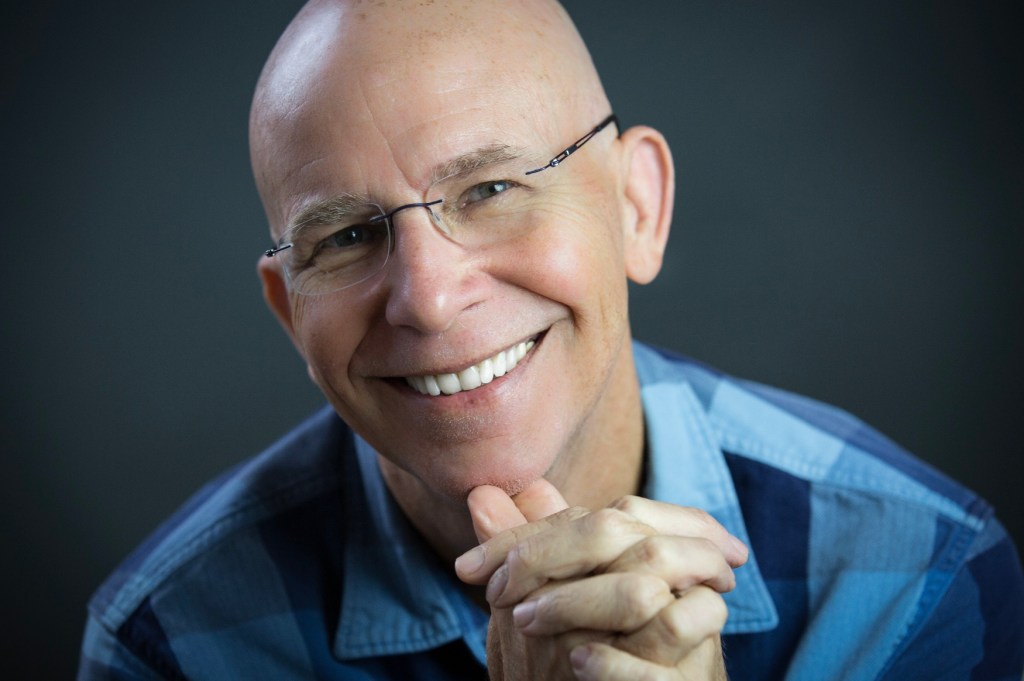
Dwaine Rieves is a medical imaging scientist in Washington, DC. His collection, When the Eye Forms, won the Tupelo Press Prize for Poetry. His second book, Red Camaro, was recently published by the Cornerstone Press/University of Wisconsin-Stevens Point. He can be reached at dwainerieves.com.
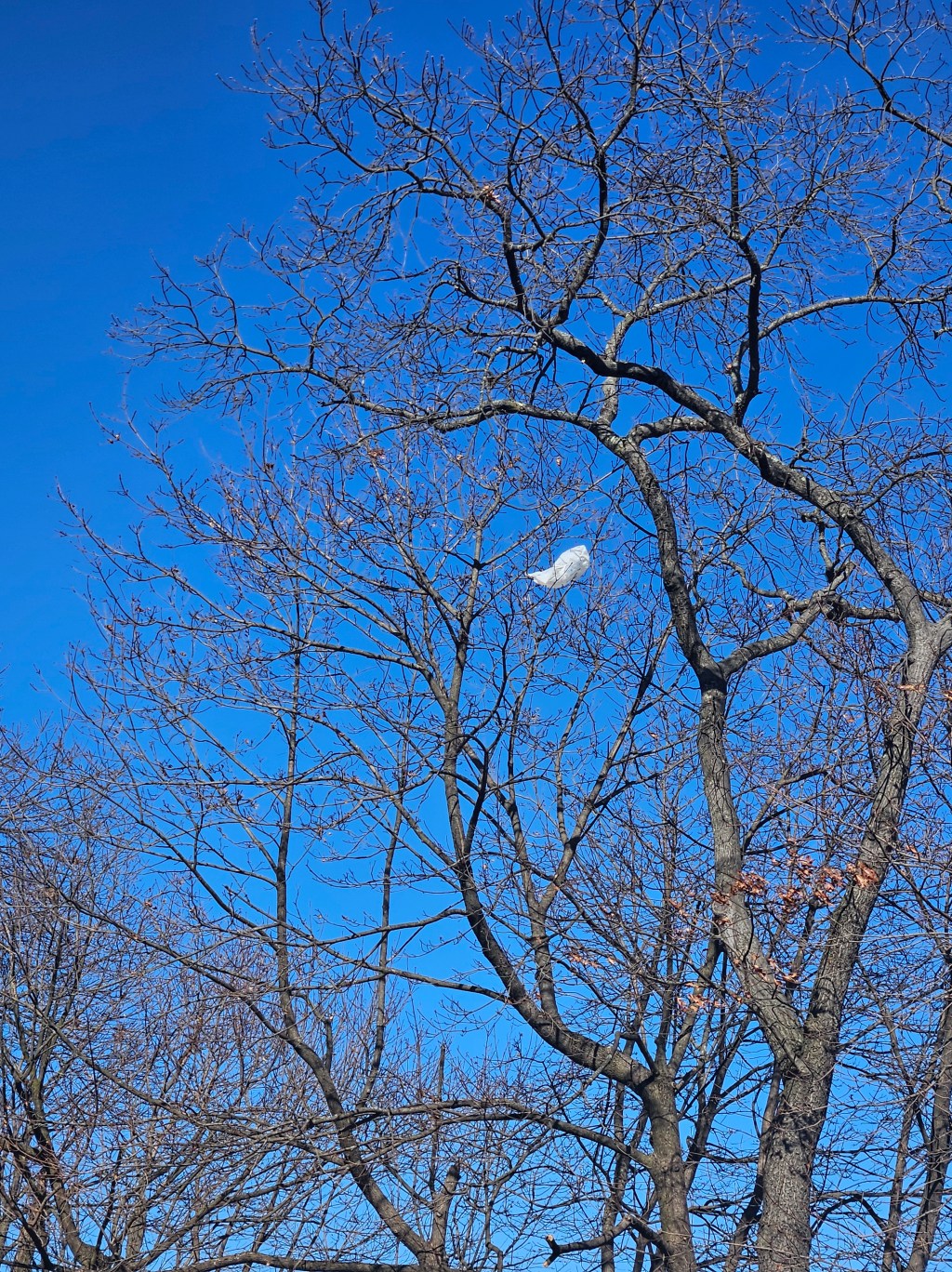
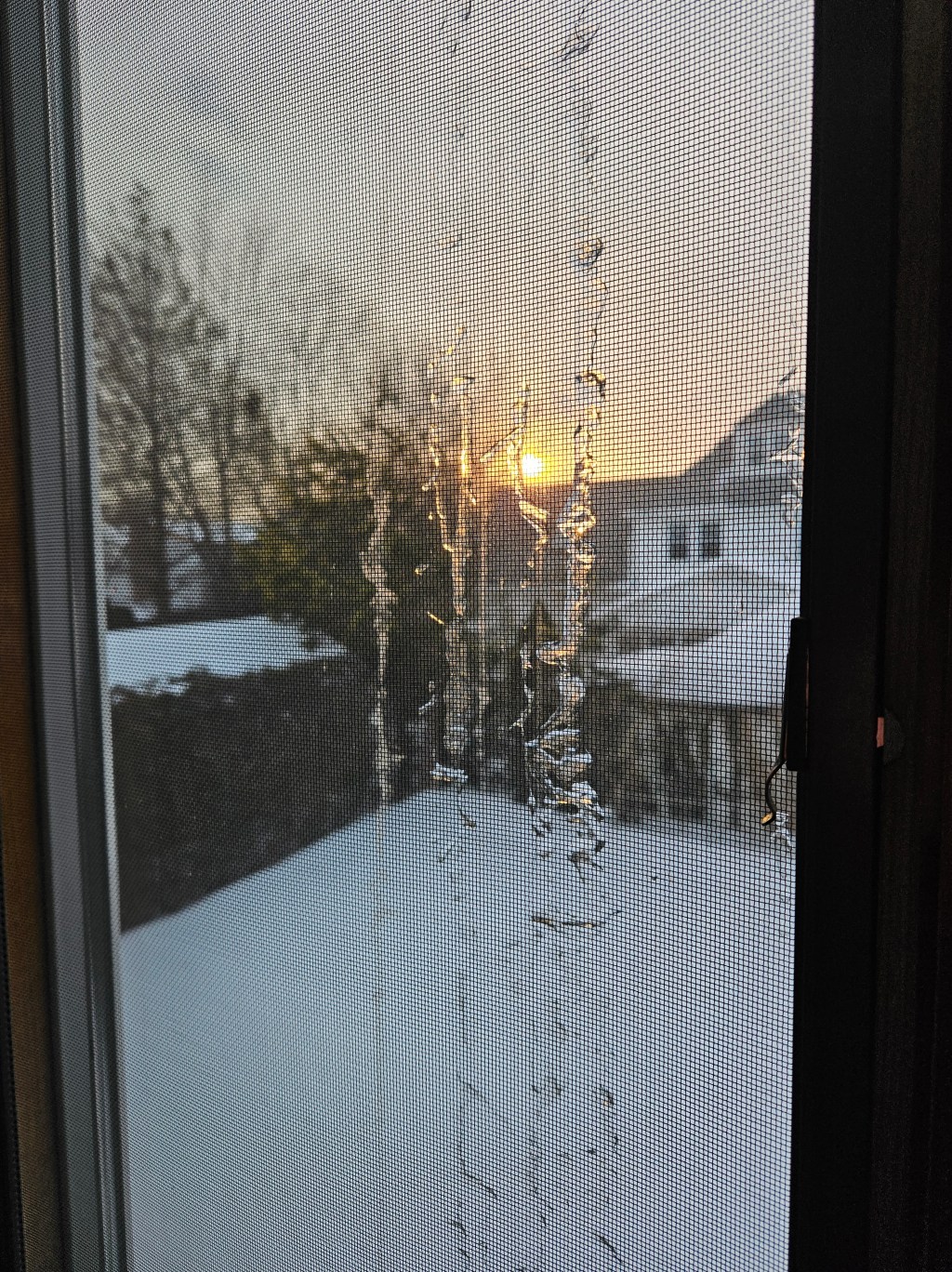
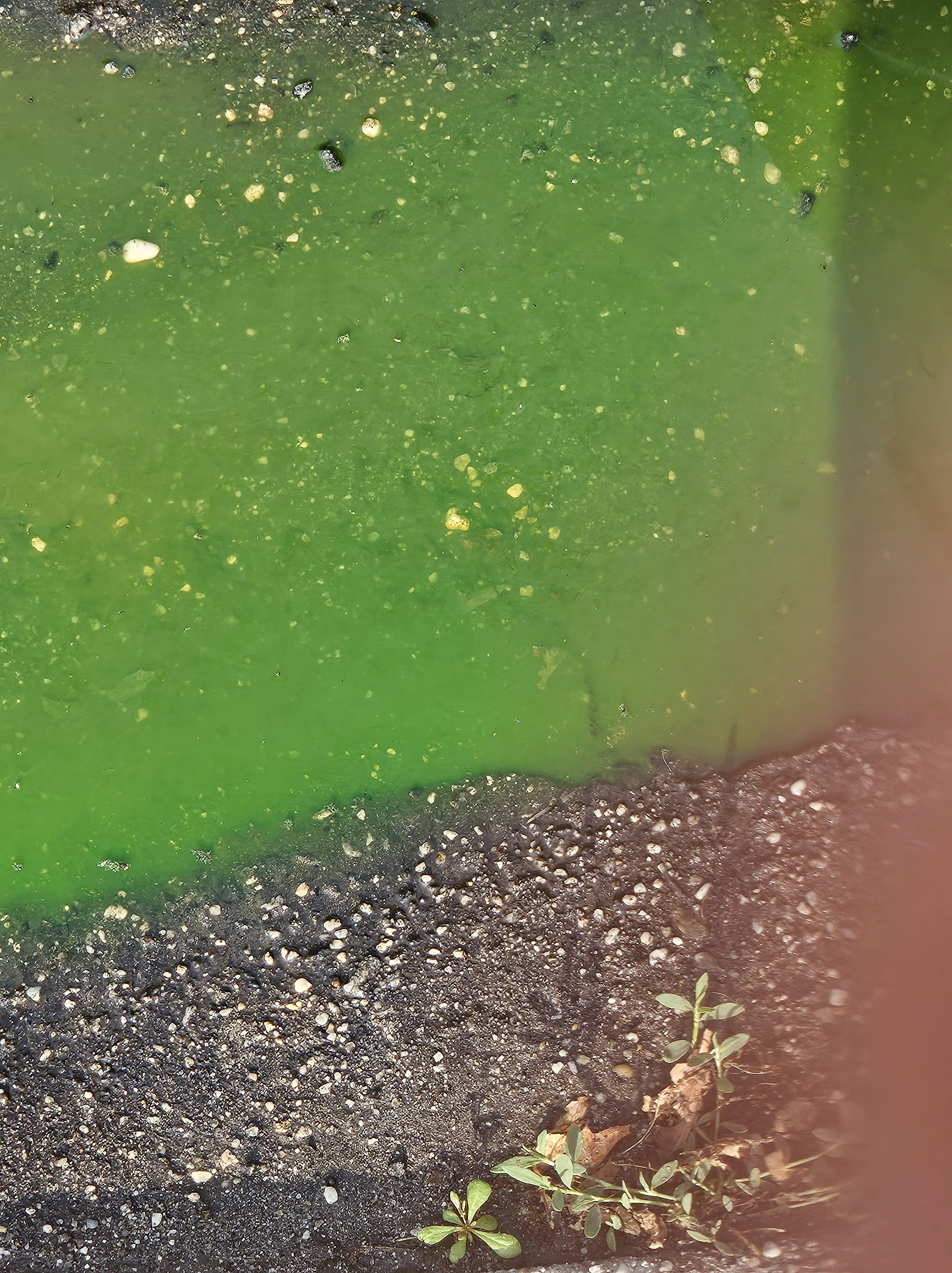
Image: “O Green World” by Alex J. Tunney